A corporate name unites many vehicle brands
General Motors was created in 1908 as a holding company for an expanding collection of automakers. Its corporate identity had a different job from a vehicle badge: Buick, Cadillac, Chevrolet, GMC, and other divisions spoke directly to buyers, while the GM mark represented the organization behind them.
Early nameplates emphasize institutional authority
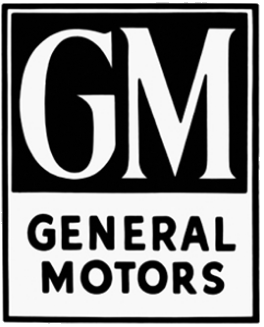
Historical marks spelled out General Motors in formal lettering and framed compositions. They communicated scale and permanence rather than the personality of any one model. As the company became one of the world’s largest manufacturers, its initials gained enough recognition to stand alone.
The blue square becomes the enduring corporate shorthand
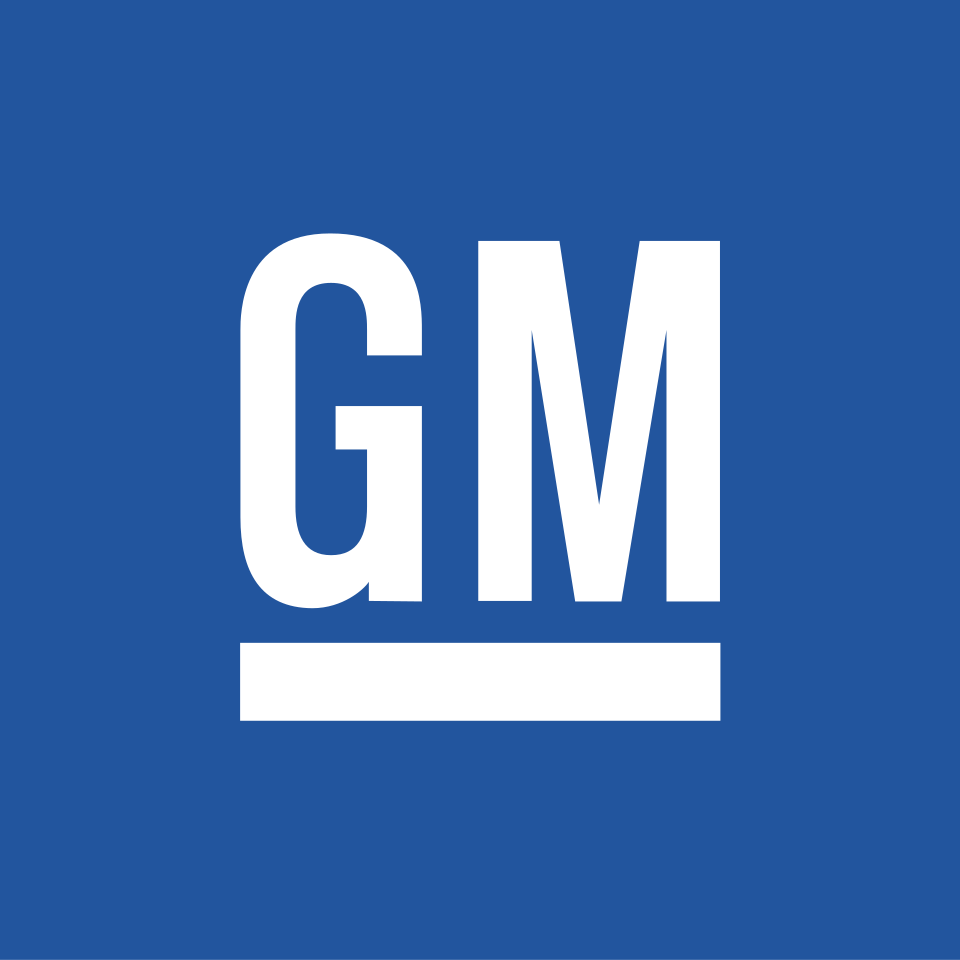
For decades, white uppercase GM letters sat inside a blue square with an underline beneath them. The compact badge worked on documents, buildings, components, and corporate advertising. Its rigid geometry expressed engineering order and distinguished the parent company from its many consumer marques.
The 2021 identity changes case and tone
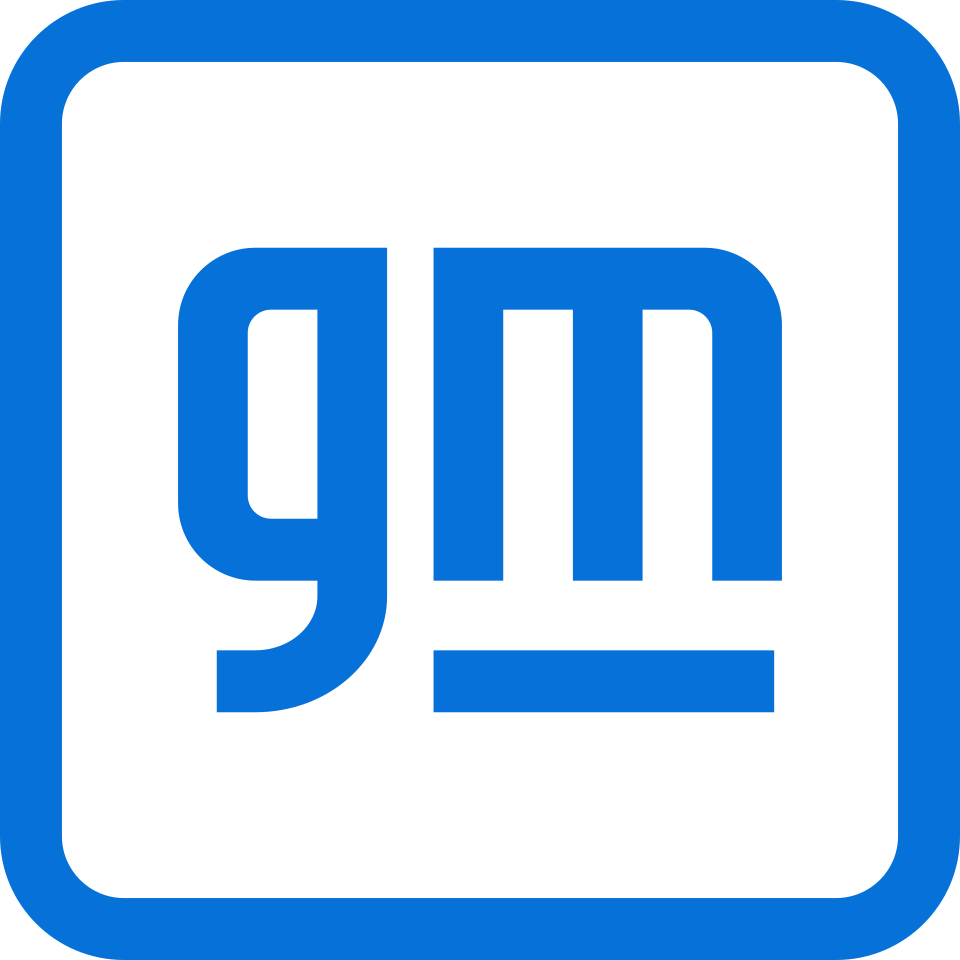
GM’s new mark placed lowercase letters inside a rounded outline and underlined only the m. A blue gradient suggested clean sky and electric energy. The company connected the redesign to its vision of zero crashes, zero emissions, and zero congestion, making the identity part of a broader push toward electric vehicles and mobility.
A parent-company logo points to a shared future
The rounded lowercase mark is intentionally friendlier than the old corporate block. It also differs from the badges of Ford and other vehicle brands because GM is communicating an ecosystem rather than a single line of cars. The lineage shows initials moving from formal authority to a lighter digital voice while continuing to unify many distinct automotive identities.